


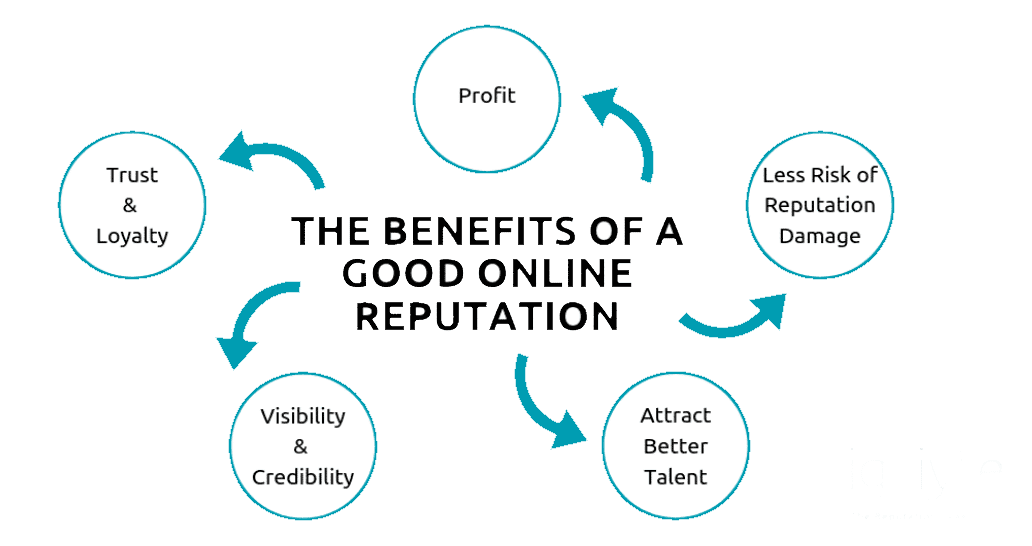
Introduction
In the digital era, a business’s reputation is no longer built solely through word of mouth or traditional advertising. Instead, it lives online in reviews, ratings, social media, and customer feedback. A strong online reputation can make or break a company.
Today, customers turn to Google, social media, and review platforms before making a purchase. More than 85% of consumers trust online reviews as much as personal recommendations, meaning that a business’s online image is directly tied to its success.
This article outlines strategies for businesses to build and maintain a strong online reputation.
Why Online Reputation Matters
-
First impressions are digital: Customers often encounter a business online before visiting in person.
-
Trust drives sales: A positive reputation increases customer confidence and conversions.
-
Negative reviews spread fast: A single bad experience shared online can influence thousands of potential customers.
Step 1: Deliver Excellent Customer Service
Reputation starts with real experiences. If customers are satisfied, they are more likely to leave positive feedback.
-
Respond quickly to inquiries.
-
Go above and beyond expectations.
-
Show empathy when solving problems.
Great service is the foundation of every strong reputation.
Step 2: Encourage Honest Reviews
A strong reputation requires visibility. Ask happy customers to share their experiences online.
-
Provide links to Google, Yelp, or review platforms.
-
Request reviews after successful purchases.
-
Make leaving feedback easy and convenient.
The more authentic reviews you have, the more trustworthy your business appears.
Step 3: Monitor Your Online Presence
Businesses must know what people are saying about them.
-
Set up Google Alerts for your brand.
-
Monitor review platforms regularly.
-
Use social listening tools to track mentions on social media.
Staying informed allows you to react quickly and protect your reputation.
Step 4: Respond to Reviews Professionally
How you respond to reviews matters as much as the reviews themselves.
-
Positive reviews: Thank the customer and express appreciation.
-
Negative reviews: Stay calm, acknowledge the issue, and offer a solution.
Professional responses show responsibility and build trust.
Step 5: Build a Strong Social Media Presence
Social media is a reputation amplifier. What customers see on your profiles influences their perception.
-
Post consistently with valuable content.
-
Engage with followers by responding to comments and messages.
-
Share customer success stories.
Authenticity and engagement strengthen your brand image.
Step 6: Showcase Testimonials and Case Studies
Use satisfied customers as advocates for your business.
-
Highlight testimonials on your website.
-
Share case studies that show real results.
-
Create video testimonials for added credibility.
These strategies show potential customers what others already value about your business.
Step 7: Be Transparent and Ethical
Transparency builds long-term trust.
-
Clearly communicate policies and pricing.
-
Admit mistakes openly and explain corrective actions.
-
Emphasize ethical practices and social responsibility.
Businesses that embrace transparency attract loyal customers.
Step 8: Invest in Reputation Management Tools
Several tools can help automate and improve online reputation management:
-
Platforms that request and track reviews.
-
Software for monitoring mentions across the web.
-
Analytics tools for measuring reputation growth.
Conclusion
A strong online reputation is no longer optional; it is a necessity for business success. By delivering excellent service, encouraging honest reviews, monitoring feedback, and embracing transparency, businesses can build credibility and trust.
Remember: reputation is earned every day. Businesses that value customer trust will thrive in the digital marketplace. /pesyje.com
0 Comments
Login or create an account to leave comments